.svg)
.svg)
.svg)


.svg)

.svg)

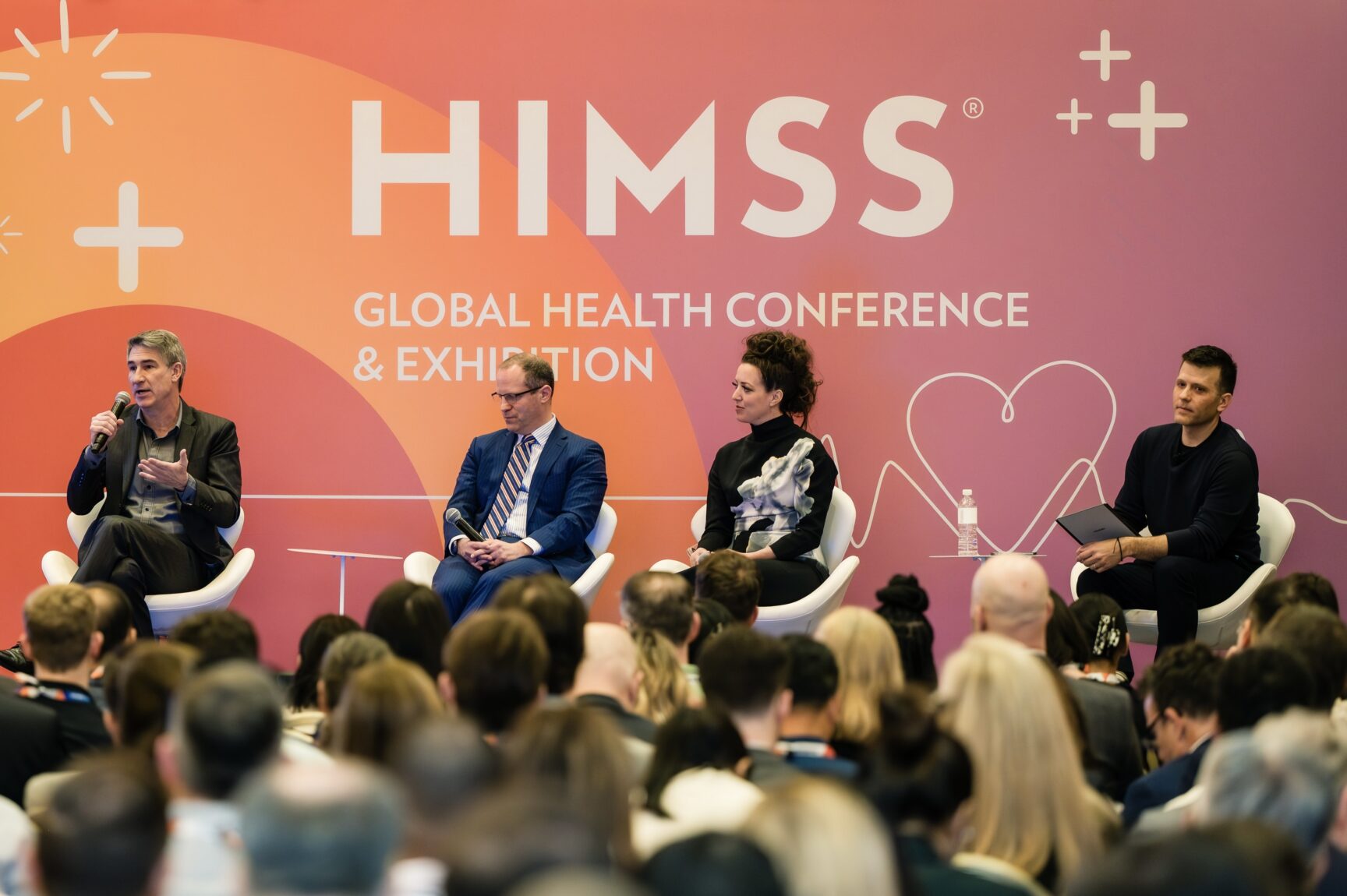
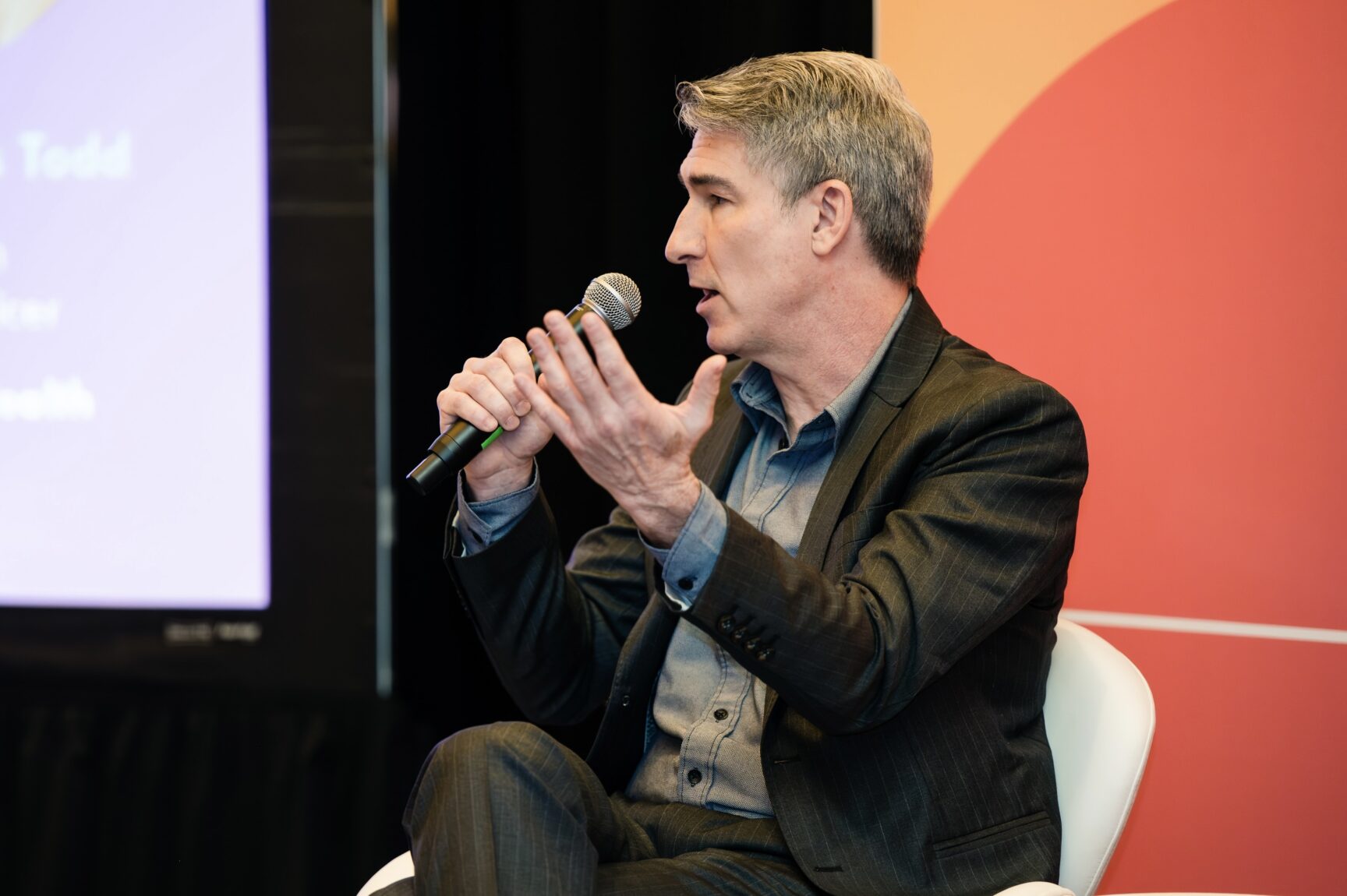
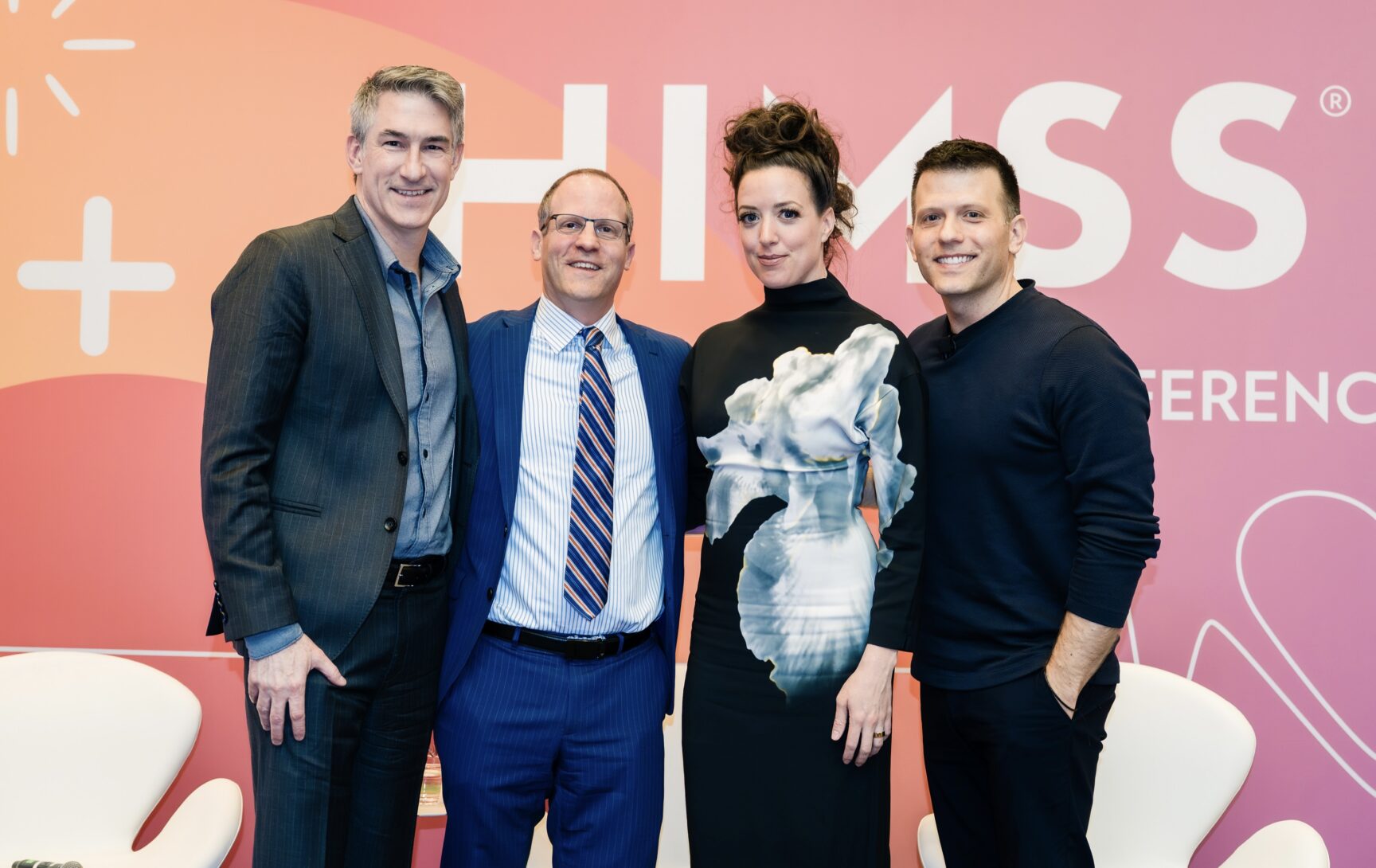
At HIMSS 2026 in Las Vegas (Mar. 9–12), Dr. David Kirk, CMO of Regard, joined Dr. Adam Landman (Brown University Health), and Dr. Tamara Moores Todd (Intermountain Health) for a Microsoft panel on how health systems are moving beyond experimenting with AI and into embedding it directly into clinical workflow.
Key takeaways
- Documentation quality equally determines clinical outcomes and financial performance. What doesn’t get captured at the point of care doesn’t get reimbursed — and more importantly, doesn’t get treated.
- Clinicians only have the capacity to act on what’s in front of them, which is why AI that surfaces the right insight at the right moment changes care for the better.
- Adoption is earned in the first thirty seconds. Clinicians who have a bad first experience don’t give second chances.
- As AI moves from presenting information to taking action, accountability models need to upgrade. Before go-live, health systems should clearly define what role the clinician plays vs. what role the technology plays.
The documentation gap is a clinical and financial problem
When senior leadership at WakeMed told Dr. Kirk — then Chief Clinical Integration Officer — that their biggest service lines weren't delivering the quality or revenue they expected, he dug in. The care itself wasn't the problem, and when competing with UNC and Duke, their outcomes were just as strong. The gap was in the documentation. After an extensive vendor evaluation, they landed on Regard. As Dr. Kirk put it: “The quality score got better, the revenue got better. We had the best mortality in the hospital's history
The timing of that documentation matters as much as its quality. A diagnosis captured at the point of care, supported by clinical evidence in the record, is fundamentally more defensible than one surfaced through a retrospective query. Dr. Kirk explained that health systems want to get "credit for the work that we're doing", but the further from the point of care that work gets documented, the harder it is to defend. Diagnoses that go unrecognized in the moment become missed revenue and missed opportunities for better care — problems that downstream solutions can partially recover but never fully solve.
The cost of constant interruption
Burnout isn't just about hours on the clock, but rather the constant interruption of alerts, messages, and documentation demands that prevent clinicians from doing focused work. The financial consequences are direct: burnt out clinicians see fewer patients. As Dr. Landman put it, "We have a crisis with clinician experience right now... by focusing on provider experience, making our providers happier, they may actually see more patients."
That starts with giving clinicians the right information without making them hunt for it. Health systems don't want more apps — they want the platforms they're already using to provide more value. Dr. Kirk drew the line clearly: the goal is to surface information hidden deep in the chart so clinicians can act on it right away, with diagnostic insights reaching them at the point of care, not after the fact.
What actually drives adoption
Intermountain deployed Dragon Copilot (Microsoft's AI clinical assistant embedded directly into the clinical workflow) organization-wide, but giving clinicians access to the tool wasn't enough to get them to use it. What did work was assembling a group of roughly 150 early-adopter physicians who modeled the workflow for colleagues, and a deliberately low activation bar. Dr. Morse-Todd's ask of every clinician was simple: five minutes to set up, five patients to try it on.
Adoption accelerated when Intermountain consolidated seven EHRs into one for 50,000 caregivers on a single day, creating what Dr. Morse-Todd called a “crisisity”, a crisis opportunity. Clinicians anxious about switching systems had one clear piece of advice: get comfortable with Dragon Copilot now. Two weeks before go-live, Intermountain had around a thousand users. Two weeks later, they had two thousand users. The effort paid off and Intermountain saw impressive results, like time spent on notes dropping 27% and same-day appointment closure improving 13% among high users.
Dr. Morse-Todd was direct about what kills adoption before it starts, and stated, "If they start with talking rather than questions, they don't understand us." The vendors and internal teams that earn clinician trust are the ones that come in listening, not pitching. Dr. Landman agreed, adding, "You get one shot with clinicians. You gotta make sure that product works — that it's accurate and easy to use. If you miss that opportunity, they're gone."
The shift that's already happening
The shift is already underway. Dr. Landman pointed to autonomous AI handling low-risk clinical tasks, e.g. chronic medication renewals, as something that will quickly stop feeling remarkable. “That's not gonna be news,” he said. “That's gonna be how we practice.” Dr. Kirk's clients are already feeling the stakes. “We're having clients come to us and say I think it's unethical not to use these double-checks — that this software package saved my patient's life.” The organizations pulling ahead aren't waiting for AI to mature. They're figuring out how to embed it into the way clinicians actually work, right now.